
Heirlooms Reimagined: Living Spaces That Carry Stories Forward

Today we explore Family Heritage and Upcycling: Personal Narratives in Sustainable Living Spaces, where keepsakes and reclaimed materials become daily companions. Discover how careful restoration, imaginative adaptation, and mindful design keep memories alive while reducing waste. Bring your household’s stories into the sunlight, invite conversation with every surface, and share your own approaches so our community can celebrate the ingenuity, tenderness, and sustainability woven through your rooms.

The Kitchen Table That Traveled

Imagine a table that crossed cities in the back of a rattling truck, then welcomed birthday candles and late-night homework. Rather than replacing it, sand lightly to keep the history visible, strengthen wobbly joints, and add a low-sheen, plant-based finish. Suddenly, daily meals include stories, gratitude, and a gentle reminder that longevity is a design choice.

Textiles With a Past

A faded quilt, a beloved shirt, or an embroidered pillowcase can become cushions, headboard panels, or framed textile art. Prioritize gentle washing, colorfast testing, and backing fabrics for stability. Each stitch preserves voices you cherish, adds tactile warmth, and reduces demand for new materials, turning soft fragments into durable touchstones for shared memory.

Practical Upcycling Methods That Respect Legacy

Respectful transformation begins with restraint. Stabilize before replacing, and test every method on inconspicuous areas. Choose reversible techniques so future generations can adapt again. When adding modern elements—casters, shelving, or lighting—prioritize minimal intervention. This approach balances functionality, emotion, and ecology, turning everyday objects into adaptable companions rather than static relics or quickly outdated decor experiments.

Design Principles for Story-Rich, Sustainable Rooms

Rooms feel coherent when narratives and needs agree. Balance heritage elements with quiet, supportive backgrounds; use neutrals to honor texture and grain. Let one or two statement pieces lead, and edit generously. Favor durable, repairable components, daylit corners, and open pathways. Sustainability thrives where circulation, maintenance, and meaning align, inviting calm, adaptable everyday rituals.

Community Wisdom and Intergenerational Craft

Skills grow when shared around tables, workshops, and porches. Invite elders to demonstrate joinery, darning, or upholstery basics; capture stories while hands work. Host swap circles and repair meetups, where materials trade places and knowledge travels farther. Communities that fix, exchange, and teach cultivate stewardship, inclusive creativity, and joyful, waste-cutting collaboration across ages.

Interview at the Workbench

Ask a grandparent, neighbor, or mentor to describe their first project and the tool they trust most. Record audio while you repair a chair together. As wood shavings curl, memories surface naturally. Publish highlights with photos and parts lists, inspiring others to try, fail gently, learn, and keep the craft alive with patient, shared practice.

Neighborhood Swap Night Playbook

Choose a bright, accessible venue and set clear categories—wood pieces, textiles, lights, hardware. Provide repair stations and labeling for dimensions, condition, and stories. Encourage fair, enthusiastic trades rather than haggling. Everyone leaves lighter, rooms evolve sustainably, and items gain new chapters. Share outcomes online to encourage ongoing exchanges and supportive, local, circular culture.

Repair Circles and Skill-Sharing

Organize recurring gatherings with rotating facilitators: a mender one month, a finisher the next. Bring broken handles, cracked frames, and questions. Document techniques in shared notes, ensuring knowledge does not disappear. Children can help sand or sort screws, building confidence early while witnessing collective care, resourcefulness, and the pleasure of fixing what truly matters.

Environmental Impact, Measured and Felt

Upcycling reduces demand for new manufacturing, curbing emissions and landfill pressure, while preserving the embodied energy locked inside existing objects. Beyond numbers, it nurtures empathy and attachment, which reduce impulse buying. Living with lovingly adapted pieces builds patience, craft appreciation, and long-term habits that protect ecosystems without sacrificing comfort, personality, or expressive design intent.

Getting Started: A Gentle Guide for Your First Project
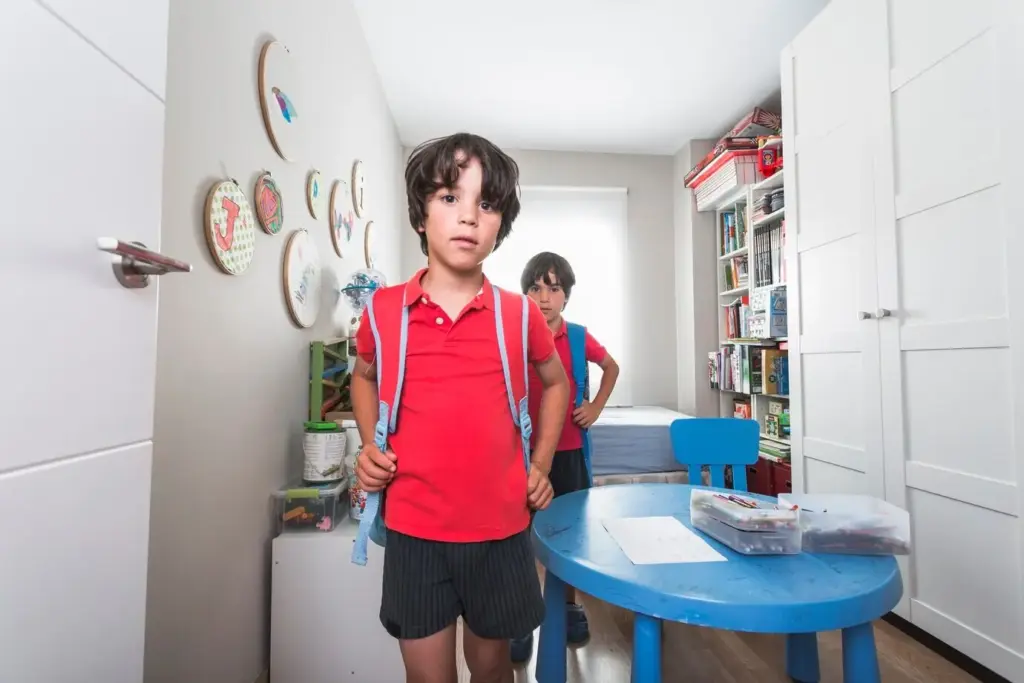
Begin small, with one meaningful piece and one clear goal. Gather basic tools, plan time for gentle learning, and photograph progress to celebrate each step. Mistakes teach; pauses protect. Share your experience with our community, ask questions, and subscribe for evolving tutorials so progress remains steady, joyful, and honestly grounded in personal significance.

Choose One Object With Meaning

Select an item that makes your chest warm when you touch it. Write three sentences about why it matters, then list two practical issues to solve. This anchors purpose while guiding scope. Keep the first project manageable, building confidence and momentum without overwhelming your schedule, budget, or emotional connection to the object’s enduring presence.

Plan, Photograph, Document

Take before photos, sketch measurements, and log materials with sources. Documentation prevents missteps, helps with repairs later, and forms a lovely archive. Share snapshots with friends or family who remember the object’s earlier life. Their insights may reveal construction details, sentimental boundaries, or design possibilities you had not considered, strengthening both process and relationships.
Lalulipemipuxoru
Privacy Overview

This website uses cookies so that we can provide you with the best user experience possible. Cookie information is stored in your browser and performs functions such as recognising you when you return to our website and helping our team to understand which sections of the website you find most interesting and useful.